So you’re thinking about a cruise. Good decision. Cruising is one of the most underrated ways to travel—you unpack once, wake up in a new place, and everything is taken care of. But here’s the thing: not all cruises are created equal, and choosing the right one matters more than you might think.
I’ve learned that the difference between a good cruise and an unforgettable one often comes down to understanding what’s actually out there. Let me walk you through it.
The Cruise Universe is Bigger Than You Think
When most people think “cruise,” they picture the massive ships pulling into Caribbean ports with thousands of passengers. That’s one option. But it’s far from the only one.
The cruise industry has actually fractured into distinct categories, each with a completely different vibe, pace, and price point. Think of it like hotels: a Holiday Inn isn’t bad, it’s just different from a boutique hotel in Tuscany, which is different again from a luxury resort in the Maldives. Same concept. Same fundamental idea (you sleep there). Wildly different experiences.
Here’s how the cruise world breaks down:
The Big Ships: Mass-Market Cruising
Carnival, Norwegian, Royal Caribbean, Princess, and MSC dominate this space. These are the ships you see in the news—sometimes 5,000+ passengers. They’re loud, busy, and relentlessly fun. Broadway-style shows, waterslides, swim-up bars, themed nights, endless buffets. If you want constant entertainment and don’t mind crowds, this is solid value for money.
The thing about big ships is they’re economical. Spread the operating costs across 5,000 people and the per-day cost drops. That’s why you see those “$99 a day” cruise ads. It’s real. But “real” comes with a caveat: you’re sharing the experience with 4,999 other people. Shore excursions feel crowded. The restaurants have queues. The pools are packed. For some people, that’s part of the fun. For others, it’s a dealbreaker.
Where they go: Everywhere. Australia, New Zealand, Caribbean, Mediterranean, Alaska, Mexico, Baltic, world cruises. If there’s an itinerary you want, one of these lines probably does it.
Good for: First-time cruisers on a budget, families, people who want maximum activities and entertainment, anyone who enjoys a social atmosphere.
Premium Cruising: The Sweet Spot
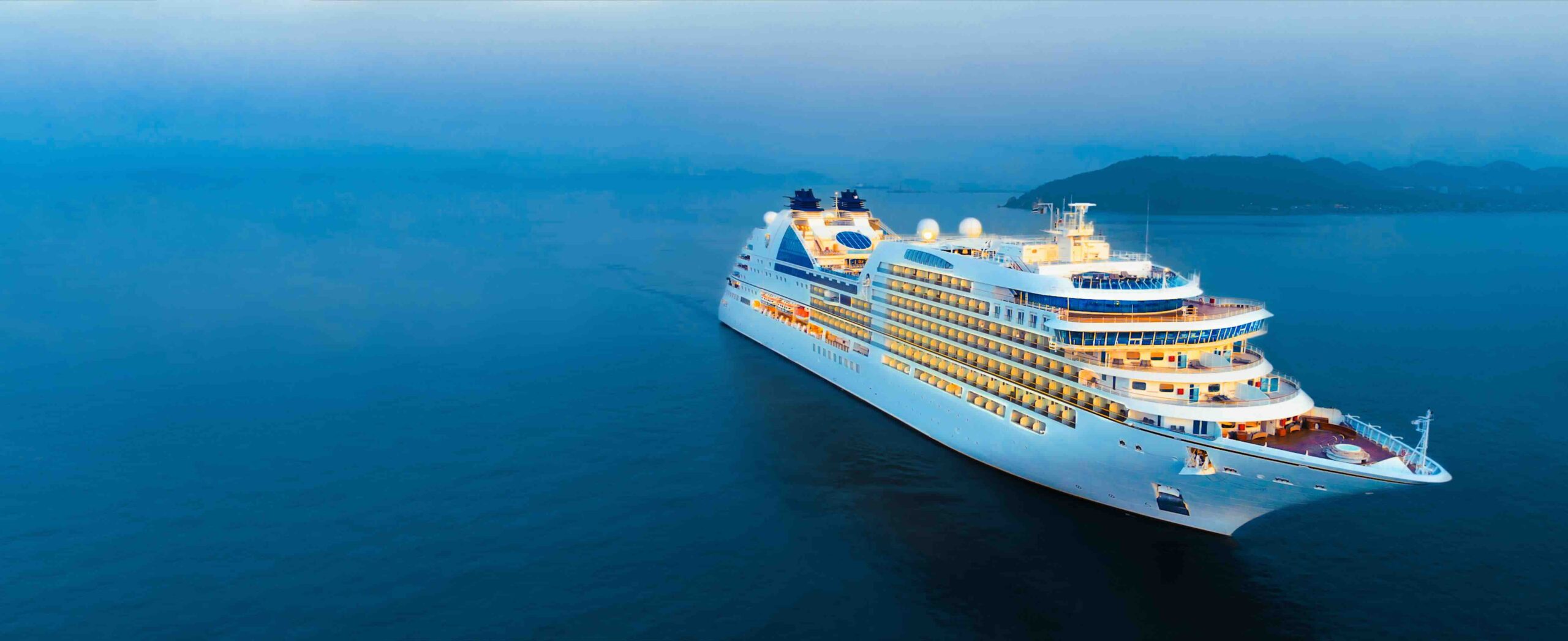
Celebrity, Cunard, Oceania, Princess (their premium ships), Seabourn, and Silversea sit here. These are the lines that figured out what happens when you take the big-ship formula, shrink the ship size, and charge more.
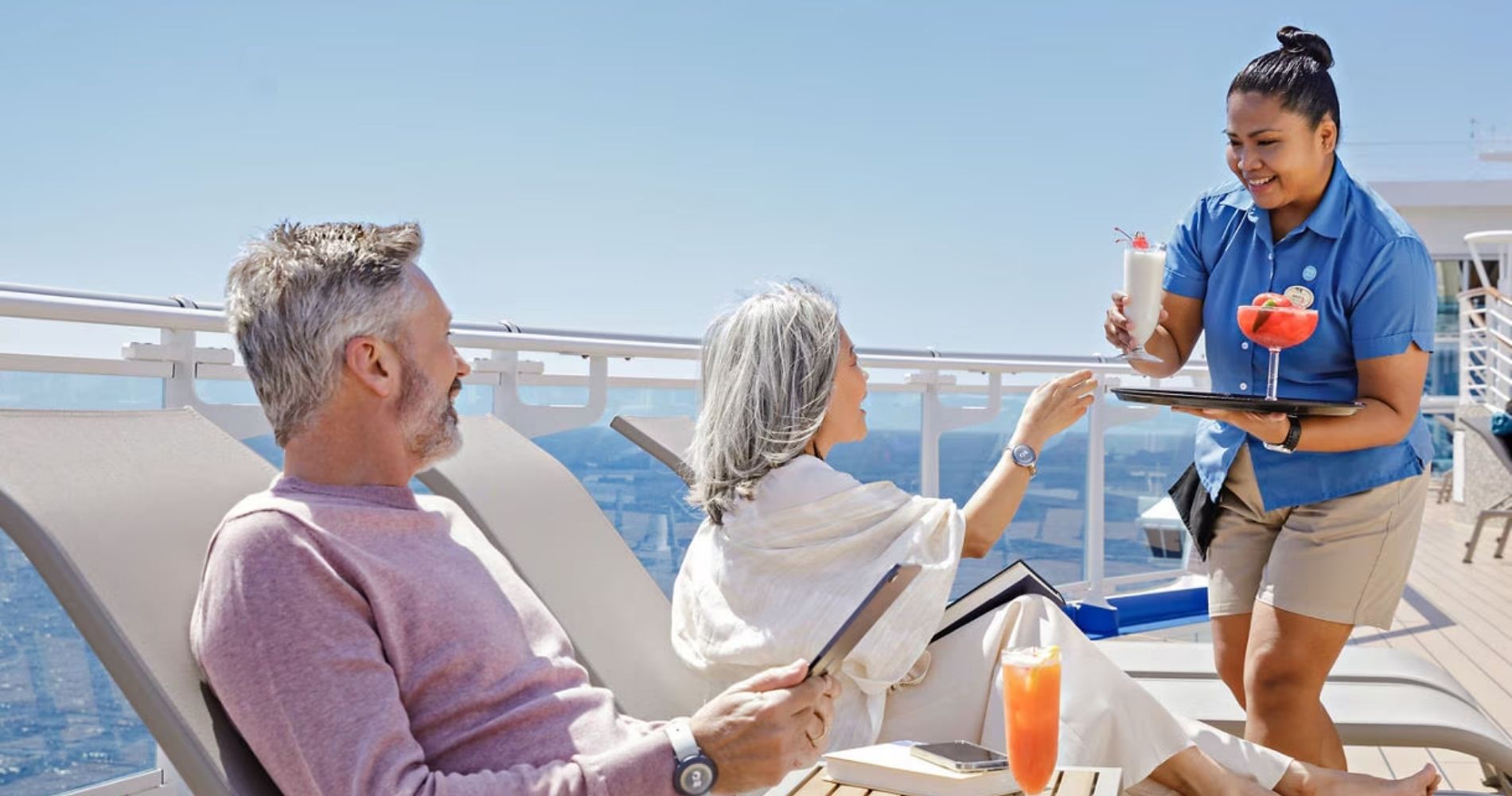
Fewer passengers means more space per person. The dining is better. The service is more attentive. You actually get a real waiter, not a harried person juggling a hundred tables. The shore excursions feel less like a cattle drive and more like an actual experience.
Celebrity is probably the most famous in this tier—they’ve nailed the balance between approachability and elegance. Their ships are genuinely beautiful, and they’ve invested in good design rather than just maximizing deck space. Cunard carries the prestige of the Queen Mary legacy, which appeals to a certain sophisticated traveler. Oceania is for people who actually want to eat well at sea (seriously, their food is standout).
Where they go: Mediterranean, Caribbean, Alaska, Baltic, Northern Europe, sometimes Australia and New Zealand. The itineraries tend to be more interesting than the mass-market lines.
Good for: Travelers who’ve cruised before and want better service, foodies, people who value elegance without the stuffiness, anyone who doesn’t want to feel like they’re on a floating hotel.
Luxury Cruising: The Real Deal
Seabourn, Silversea, Regent (not on your list, but worth knowing), Azamara, Ponant, and Hurtigruten all play in this space, though they each interpret “luxury” differently.
Seabourn and Silversea are traditional luxury—white-glove service, all-inclusive pricing (drinks, gratuities included), intimate ships with maybe 700 passengers maximum. You’re paying premium prices for a premium experience. The service anticipates your needs before you’ve thought of them. The menus are custom-designed. The shore excursions are carefully curated and never feel touristy.
Ponant leans into expedition cruising with style. Their ships are smaller, designed to access places the big ships can’t reach—remote islands, narrow fjords, polar regions. They combine luxury with genuine exploration. If you want to see something most people won’t, Ponant is your answer.
Hurtigruten is the original—running Norway’s coastal route continuously since 1893. Rather than fly-and-flop tourism, it’s slow, immersive travel along one of the most spectacular coastlines on earth, calling at 34 ports between Bergen and Kirkenes, with genuine Norwegian atmosphere and local flavour onboard.
Azamara pitches itself as luxury but accessible—mid-sized ships with personal service and an emphasis on longer stays in ports rather than quick turnarounds. They skip the mega-ports and spend more time in places like Croatia and Greece where you can actually explore.
Where they go: Everywhere, but with intention. Mediterranean deep dives. The Norwegian coast, Bergen to Kirkenes. Small-ship Caribbean. Nile river cruises (mostly the non-luxury lines). These aren’t fly-and-flop operations; they’re designed around actual destinations.
Good for: Experienced travelers, couples, anyone willing to spend more for meaningfully better service and access to places you can’t reach otherwise, people who are tired of cruise-ship tourism and want something more thoughtful.
Expedition Cruising: For the Adventurers
Hurtigruten. Aurora and Ponant lead here, though several luxury operators offer expedition itineraries. This is where cruising stops being about the ship and becomes entirely about where the ship takes you.
Expedition cruises go to places regular cruise ships simply can’t reach: Antarctica, the Arctic, Svalbard, the Galápagos, remote fjords, polar ice, and pristine wilderness. The ships are smaller and more nimble—purpose-built to navigate ice, narrow passages, and shallow waters. You’re not just visiting a destination; you’re genuinely exploring it.
What makes expedition cruising different is the expertise onboard. You’re not just getting entertainment directors; you’re getting marine biologists, glaciologists, polar historians, and naturalists who actually know what they’re talking about. They do daily briefings about where you’re going, lead zodiac excursions to spots no big ship could ever access, and genuinely help you understand what you’re seeing.
The pace is slower and more intentional. You spend time actually watching wildlife, not rushing from port to port. A day in Antarctica might mean three zodiac trips to different ice shelves, watching penguins and seals in their natural habitat, with experts explaining the ecosystem you’re witnessing. It’s profound stuff.
The tradeoff is cost. Expedition cruises are expensive—easily $500-$1,000+ per day for decent cabins. You’re paying for access to places few people ever see and for the expertise to make sense of what you’re seeing. If you’re doing Antarctica or the Arctic, this is the experience of a lifetime. It’s worth the money.
Where they go: Antarctica, the Arctic (Svalbard, Greenland, Canadian Arctic), Galápagos, remote Scandinavian fjords, Patagonia, parts of the South Pacific, sometimes the Amazon. These are destinations that exist specifically because of what you see there, not because of the ports.
Good for: Serious adventurers, nature photographers, people obsessed with wildlife, travelers who want to experience genuinely remote places, anyone who’s already done traditional cruising and wants something completely different.
River Cruising: An Entirely Different Thing
Scenic, APT, Emerald, Viking and Ponant (in their river division) do this, though Viking has become synonymous with the category. River cruises operate entirely differently from ocean cruises. Smaller ships, intimate groups (usually under 200 people), immersive itineraries that actually let you explore cities rather than just touch and go.
A Viking river cruise on the Danube isn’t about being on the ship—it’s about waking up in Budapest, or Vienna, or Regensburg, and actually having time to wander. You spend 6, 8, maybe 10 nights on the river and you’re in a different country every morning.
The tradeoff? No formal entertainment, no massive dining hall, no waterslides. You get good food, wine included, guided excursions, and the chance to actually experience a region.
Where they go: Europe mostly (Danube, Rhine, Seine, plus smaller rivers). Russia. Egypt. Asia (some of the smaller operators do this).
Good for: Travelers who want culture and exploration over entertainment, couples, anyone over 50 (Viking’s sweet spot, though not exclusively), people who speak multiple languages or are interested in history and art.
What Actually Matters When You Choose
Here’s what I’d suggest thinking about instead of just scrolling Cruise.com:
What kind of traveler are you? The person who wants to lie by the pool with a book is going to be miserable on a river cruise, no matter how good it is. The person who travels to actually experience places will hate a 14-day Caribbean cruise where they see 6 ports in 7 days.
How much time do you have? This matters more than you’d think. A 7-day cruise often feels rushed. 10-14 days lets you actually settle into it. River cruises are best at 8-10 days minimum.
What’s your budget really? Not the advertised price—your actual budget. Cruise lines are notorious for the advertised “$99/day” that becomes $400/day once you add drinks, gratuities, and shore excursions. Know what you’re actually spending and compare against the cruise line’s real pricing, not their fantasy pricing.
Do you want to explore or relax? These are different things. A Caribbean cruise is mostly relaxation. An expedition cruise to Antarctica or the Galápagos is about exploration. A river cruise splits the difference.
Are you going alone, with a partner, or with family? The ship size and line choice changes dramatically based on this.
Why a Travel Advisor Isn’t Optional (And I’m Not Just Saying That)
Here’s the part where I’m honest with you: you can book a cruise yourself. You can go to a cruise line’s website, click the dates, and press “buy.” It will probably be fine.
But here’s what you’re missing:
Pricing isn’t transparent. Cruise lines change prices constantly, and the “deal” advertised on their website today might be cheaper tomorrow or might have been cheaper last month. A travel advisor sees this pricing in real time and knows when to book. I can’t tell you how many people I’ve booked a week later after a $400 per person price drop because I knew it was coming.
You’re likely missing better cabins and positioning. Want a cabin with a veranda but not the premium price? There are tricks. Which deck and location actually matter on a given ship? I know. Which cabin categories consistently get upgraded? I know that too. Booking yourself means you’ll probably get what you picked, which is fine, unless there’s a better option you didn’t know existed.
Onboard credits exist. Depending on how you book, you might qualify for onboard spending money. These aren’t advertised broadly. A travel advisor knows which routes trigger which credits and how to layer them.
Excursions and planning. The shore excursion you can book through the ship is often the least interesting option and more expensive or they are already booked out prior to the sailing date. I know which independent guides are brilliant in each port. I know which excursions are worth your time and which are tourist traps.
The human element. Things go wrong on cruises—flights are delayed, ships leave early, someone gets sick, plans change. If you booked yourself directly with the cruise line, you’re in a queue with 10,000 other people trying to call customer service. If you booked with an advisor, you have a direct line to someone who can actually help.
It costs you nothing extra. This is the part people don’t realize: booking through an advisor costs the same or less than booking direct. The cruise line pays the commission regardless. You’re not choosing between “free direct booking” and “paying extra for an advisor.” You’re choosing between “free self-service” and “free professional service.” Why would you pick the first?
A Final Word on Value
I’m not going to pretend we’re the cheapest option. We’re not. We won’t compete with whoever found a Carnival cruise for $88 a day.
But here’s what we do: we find you the right cruise for you, we make sure you understand what you’re actually paying, we get you better cabins than you booked, we find excursions that are genuinely worth your time, and if something goes sideways, we fix it. We take the complexity and the risk out of the decision.
Cruising is one of the best ways to see the world. You deserve to do it well.
Ready to talk about your next cruise? Get in touch. We’ll figure out which line, which ship, which itinerary actually fits your travel style—and we’ll make sure you’re not just going on a cruise, you’re having an experience worth remembering.