
Most Australian travellers I speak to have never seriously considered going solo. Not because they don’t want to travel — they absolutely do — but because navigating it alone feels daunting, expensive, or like something they don’t quite know how to approach.
Here’s what most people don’t realise: solo travel for seniors has quietly become one of the fastest-growing segments in the Australian travel market. The options have expanded significantly. And the experience — for many of the clients I work with — turns out to be one of the most rewarding things they’ve ever done.
Whether you’re travelling solo after a loss, because your partner can’t travel for health reasons, or simply because you want to see somewhere your friends aren’t interested in — this guide is for you.
The Single Supplement Problem (And How to Get Around It)
Let’s start with the thing nobody enjoys talking about.
If you’ve ever priced out a cruise or a guided tour as a solo traveller, you’ve almost certainly encountered the single supplement — a surcharge, often 50 to 100 per cent of the base cost, applied because you’re occupying space designed for two. It can make single traveller holidays feel financially punishing before you’ve even looked at flights.
But here’s the thing: the single supplement is not inevitable.
A growing number of cruise lines now offer purpose-built solo cabins — smaller, smartly designed staterooms priced for one person with no supplement penalty. Norwegian Cruise Line has a dedicated solo section on several ships. Others waive or significantly reduce the supplement on select departures to fill inventory. For land-based travel, many small group tour operators — particularly those who’ve built their business around the 50-plus traveller — have removed the supplement entirely on certain departures.
Knowing which operators offer these arrangements, and when, is exactly the kind of information an experienced adviser has at their fingertips. It’s not always published prominently — but it’s there.
Why Cruising Works So Well for Solo Travellers
I recommend solo cruises to Australian travellers more often than almost any other format. Here’s what makes it work: you unpack once, and everything comes to you. No negotiating hotel check-ins alone in an unfamiliar city, no hauling luggage through foreign transport systems, no eating alone at a restaurant where a table for one somehow feels conspicuous.
On a ship, dining at a shared table is entirely normal. You’re seated with other passengers — often other solo travellers — and conversation happens naturally. You can join in or not. There’s no obligation.
The structured daily rhythm suits solo travel beautifully. Port days give you independence; sea days give you relaxation and activity on your own terms. And for solo travel over 60 in Australia, cruising from home ports — Sydney, Melbourne, Fremantle — removes the complexity of long-haul flying for those who’d prefer to avoid it. The South Pacific and New Zealand are genuinely spectacular from sea.
Small Group Tours: Where the Community Is
For travellers who want land-based experiences but aren’t keen to navigate them entirely alone, small group escorted tours deserve serious consideration.
A well-run small group tour — typically eight to sixteen people — gives you built-in community without the scale and noise of a large coach tour. You’re travelling with like-minded people, at a similar pace, often with a shared appetite for local culture over ticking off landmarks on a schedule.
The best operators in this space attract a repeat clientele for a reason: people come back because the social dynamic works. First-time solo travellers often tell me they were nervous going in and surprised by how quickly they found their footing.
River cruising through Europe sits somewhere between the cruise and tour format — small ships, an intimate atmosphere, a route that connects you to culture rather than floating past it. For solo seniors, it’s arguably the ideal travel format.
Destinations That Work Well for Solo Older Travellers
Some destinations suit solo travellers better than others — not because they’re safer in any absolute sense, but because they’re easier to navigate and naturally social.
Japan is consistently at the top of my list. It’s extraordinarily well-organised, public transport is excellent, and the culture of hospitality makes solo travellers feel genuinely welcomed. Small group tours to Japan have been among the most popular choices for Australian solo travellers in recent years.
Europe — particularly river cruise itineraries along the Rhine, Danube, or Douro — remains a standout for best holidays for solo seniors. Portugal and the Balkans are drawing increasing interest, both as small group tour destinations and as cruise ports.
For tropical warmth without long-haul complexity, the South Pacific — Fiji, Vanuatu, the Cook Islands — offers genuine ease of travel in a resort or small-ship format where you’re never required to self-navigate.
The Safety and Confidence Question
I’d be doing you a disservice if I didn’t address this plainly.
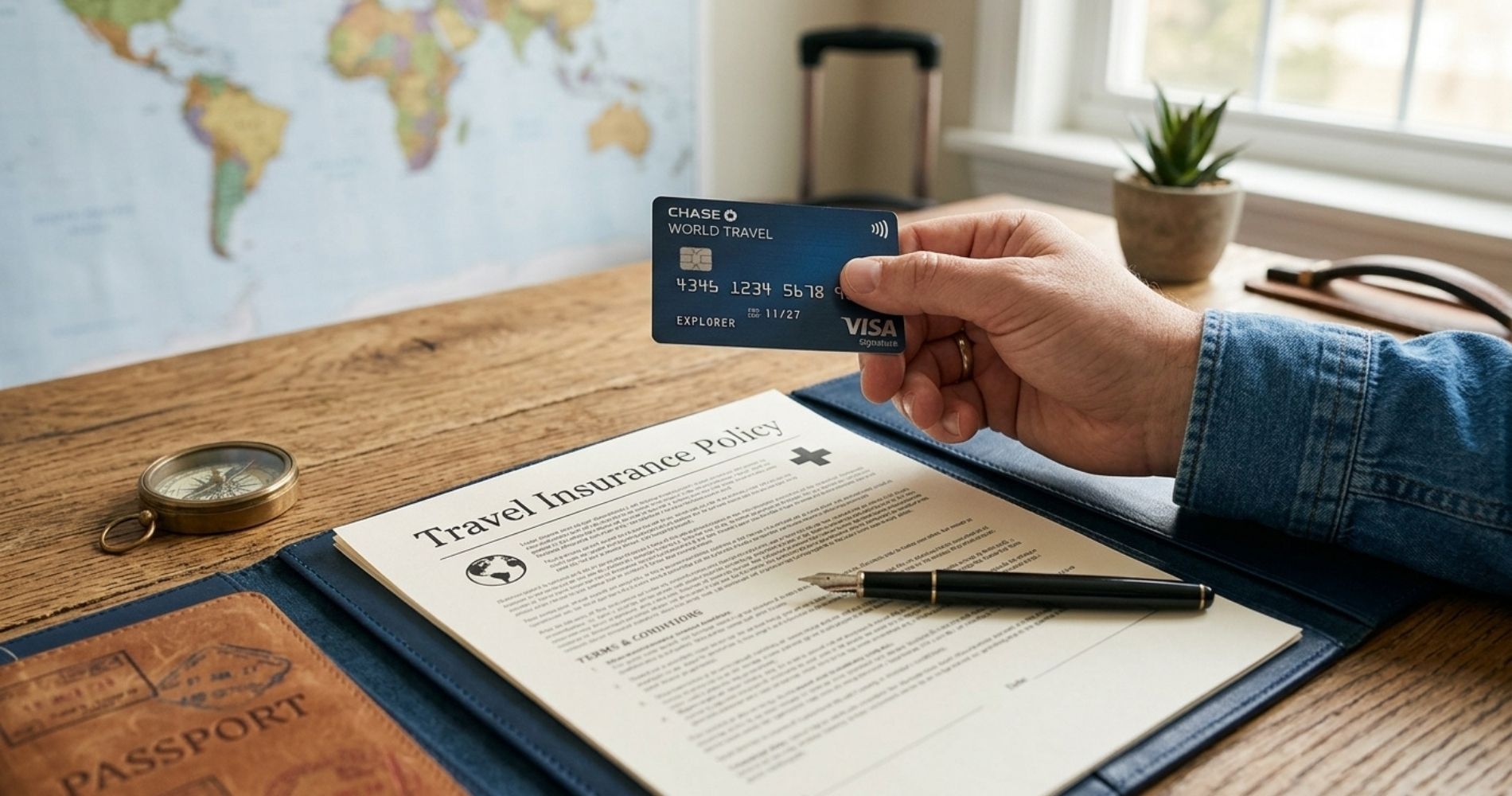
Safety considerations are real, and they deserve thoughtful planning — not dismissal. Travelling solo as an older person requires comprehensive travel insurance that covers pre-existing conditions, honest assessment of physical requirements when choosing an itinerary, and clear communication with your adviser about anything that matters.
But I see a lot of people hold themselves back from solo travel because of fears that simply don’t materialise. What I hear consistently from clients who’ve done it — often for the first time after a significant life change — is that it’s empowering in a way they didn’t expect. The confidence that comes from completing a journey on your own terms is its own reward.
The right preparation matters. The right format matters. The right destination matters. That’s precisely what good planning is for — and where an adviser earns their place.
How a Travel Adviser Makes It Work
Knowing which ships have active solo communities, which operators consistently place solo travellers in compatible groups, which departures offer reduced single supplements — this is experience-based knowledge that makes the difference between a trip that works and one that costs more than it should.
Solo travel is one of the most personally meaningful things many of my clients have ever done. I’d love to help you work out the format and destination that’s right for you.
Andrew Kilroy is a personal travel adviser based in Mildura, Victoria, specialising in luxury and accessible travel. He operates Sunraysia Boutique Travel under licence to Your Travel & Cruise Pty Ltd, backed by the Magellan Travel Group and Helloworld Travel.