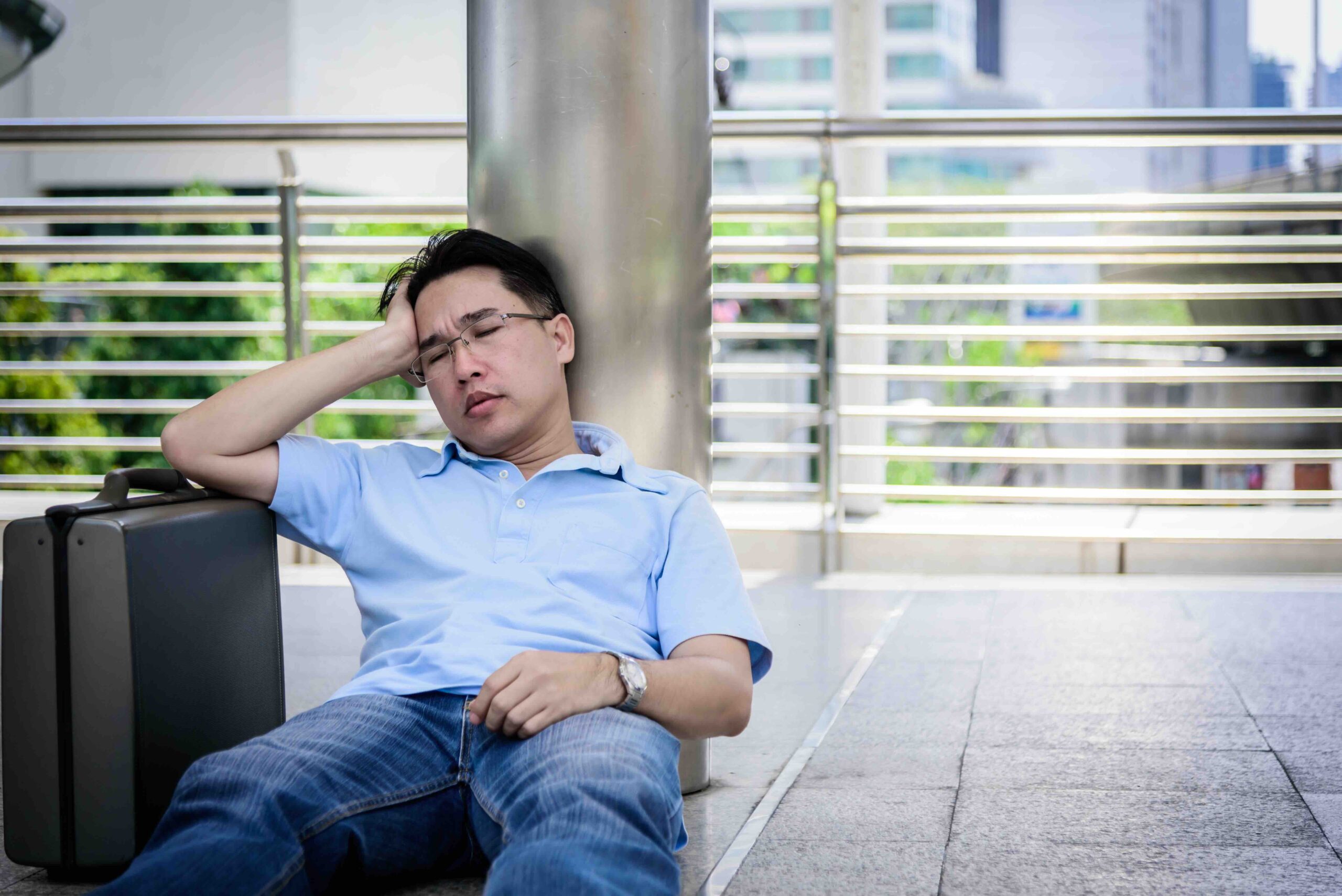
I have done it myself. Planned an epic trip, jumping from one detination to another, meeting flights, checking out of a hotel at 6am skipping breakfast to make sure I arrive in time for my next flight. I get home and I need a another holiday because I am exhausted!
It’s one of the most common patterns I see in long-haul holiday planning. And I understand why it happens. When you’ve saved for years, when flights are expensive and the world is vast and you’re finally going — of course you want to make it count. But there’s a point where trying to fit in more means you actually experience less.
Here’s what I tell every client planning a multi destination holiday: more stops does not mean a better trip.
The Rest Day Problem (And Why Nobody Builds Them In)
Here’s what most people don’t realise: a “rest day” doesn’t mean you’re wasting time. It means you’re human.
Say you’ve just flown overnight from Sydney to Rome — twelve-plus hours in the air, with a transfer. You land in the morning, local time. And sitting in your itinerary, starting at 10am, is a full walking tour of the Colosseum and the Roman Forum, followed by dinner in Trastevere.
I see this constantly. People don’t build in the recovery because they feel guilty — like a day without a scheduled activity is a day they’re not getting value from their trip. But I’d be doing you a disservice if I didn’t say this plainly: arriving jet-lagged and being pushed straight into a full day of touring is one of the fastest ways to make a beautiful destination feel like an ordeal.
The simple fix is building one low-pressure day after every significant long-haul flight. Not a day in the hotel room — a slow morning, a walk somewhere nearby, a good meal, an early night. That’s what lets the next five days actually feel like travel rather than survival.
You’re Underestimating How Long It Takes to Move
Transit time is the most consistently underestimated part of overseas holiday planning. Not the flight itself — most people account for that. I’m talking about everything else.
The Uber to the airport. The check-in queue. The two hours you’re told to arrive before departure. The transfer at the hub airport. The wait for luggage at the other end. The taxi or train to your hotel. Checking in. Finding your room.
By the time you’re actually sitting somewhere pleasant, six or seven hours have gone — and that’s before you factor in a delay.
On a multi stop holiday in Australia, you’d think nothing of a two-hour drive between places. But internationally, moving between cities often eats half a day at minimum. When you’re hopping between destinations every two or three nights, those transit hours add up quickly. What looks on paper like ten full days often delivers six.
The Anchor Approach: Build Fewer Bases, Go Deeper
The itineraries that work best — the ones where clients come home genuinely refreshed and having actually absorbed where they were — share a common structure. I call it the anchor approach.
Instead of moving every two nights, you choose two or three anchor cities and spend four to seven nights in each. From those bases, you take day trips and short excursions. You see the surrounding region properly rather than in a blur. You find the good restaurant on your second night rather than your last. You stop reorienting yourself every morning.
A round the world trip built around this principle — say, London as your European base, Kyoto as your Japan base, and a cruise segment in between — delivers far more genuine experience than the same number of nights scattered across fifteen cities.
It also tends to cost less. Fewer internal flights, fewer last-minute transfers, fewer nights in suboptimal hotels because that was all that was available when you booked late.
Why a Cruise in the Middle of a Land Trip Changes Everything
This is something I recommend and clients often look at me sideways until they try it. A cruise segment — even seven or ten nights — placed in the middle of a longer land itinerary provides a kind of reset that’s hard to replicate any other way.
You unpack once. You move between destinations while you sleep. You wake up somewhere new without having organised the transfer yourself. The ship provides structure, meals, and a base of operations — which means the mental load of travel drops dramatically for that period.
For older travellers especially, a cruise segment in the middle of an extended multi destination holiday isn’t a soft option. It’s intelligent pacing. It means you arrive at the second half of your trip genuinely rested rather than grinding through it on depleted reserves.
A Note on Pacing for Older Travellers
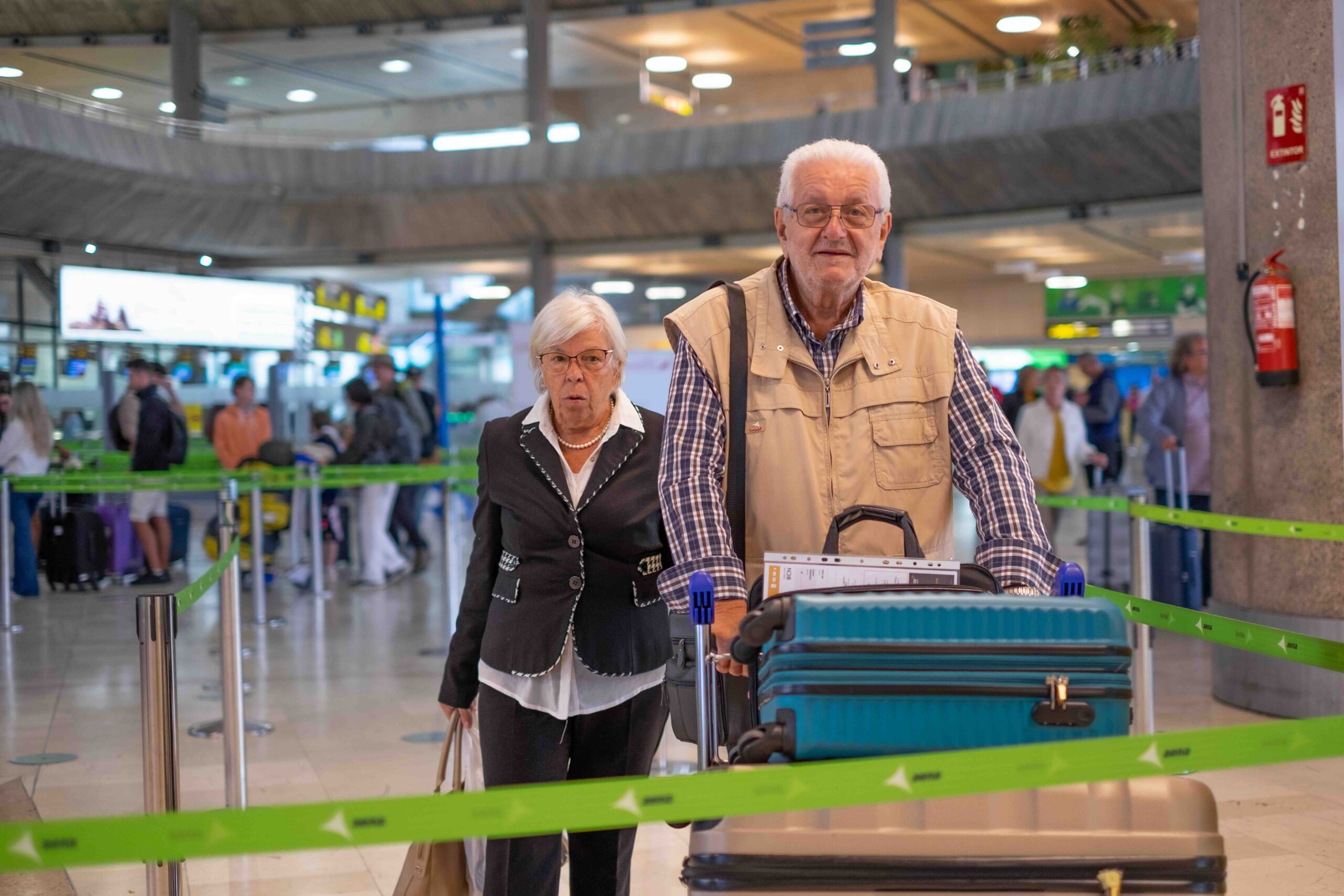
For clients in their sixties, seventies, and beyond, they are — without exception — excellent travellers. Experienced, curious, adaptable. But they’re also honest with themselves in ways younger travellers sometimes aren’t.
The body doesn’t recover from a bad night’s sleep in two hours the way it did at thirty-five. Long days on cobblestones take a toll. Climate changes affect energy more than expected.
None of this means you travel less. It means you plan differently. Longer stays in each place. A private transfer rather than a shared shuttle. A hotel that’s genuinely central so you’re not walking forty minutes to reach anything. These aren’t luxuries — they’re what makes the difference between a trip you talk about for years and one you’re quietly relieved to have finished.
The Admin Load: Why This Matters More Than You Think
A multi destination holiday generates a significant administrative burden. Flights, hotels, transfers, tours, insurance, visa requirements across multiple countries, medical declarations, travel documentation — and then the contingency planning for when any of those things changes.
For a simple trip, most people manage this themselves. For a complex multi-stop international itinerary, the effort of managing it personally can quietly become a second job in the months before departure. And when something shifts — a flight change, a supplier cancellation, a health consideration — the time cost of resolving it falls entirely on you.
Having someone manage the complexity on your behalf matters more the more moving parts there are. That’s not a sales pitch — it’s just the reality of what a complex trip involves.
If you’re planning a multi destination holiday and want a second opinion on your itinerary, I’m happy to take a look. I’m based in Mildura and I come to you.
Andrew Kilroy is the founder of Sunraysia Boutique Travel, a personal travel advisory service specialising in luxury and accessible travel. Based in Mildura, Victoria.