
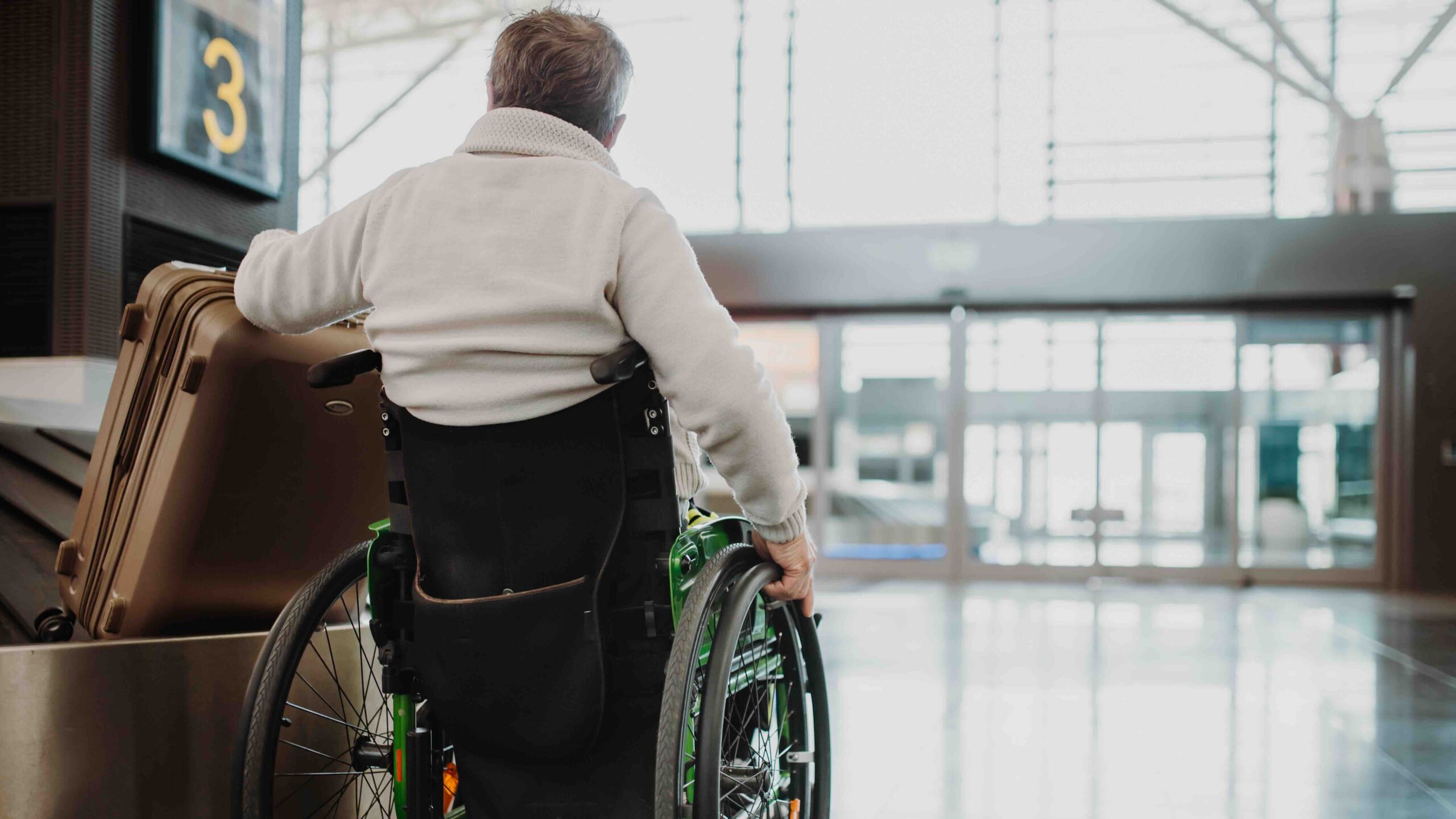
A close friend of mine is in his late sixties, is in the advanced stages of a motor-neuron disease, uses a walking stick, and hadn’t travelled internationally in a while. He’d been told, in no uncertain terms, that the kind of trip he was dreaming about wasn’t really realistic anymore.
Travel for people with disabilities has changed dramatically in recent years, and the gap between what’s genuinely available and what people think is available has never been wider. Here’s what most people don’t realise: the limitations are far fewer than the assumptions. The challenge isn’t that accessible options don’t exist. The challenge is knowing how to find them — and knowing exactly which questions to ask before you commit to anything.
The Biggest Misconception About Accessible Travel
The most persistent misconception I come across — and I hear it regularly — is that accessible travel means settling for less. A modified experience. The sensible, safe option rather than the extraordinary one.
That’s simply not true.
Accessible luxury travel in Australia and internationally has developed enormously. The cruise industry in particular has invested heavily in accessibility — modern ships are engineered with mobility in mind, and many have adapted suites, roll-in showers, wide corridors, and crew trained specifically to support guests with physical or sensory needs. The same is true of a growing number of high-end hotels, specialist tour operators, and transport providers around the world.
What does exist is significant variation. Some destinations are genuinely more accessible than others. Some ships are better designed than others. Some operators understand the needs of travellers with disabilities thoroughly; others, frankly, don’t. The difference lies in the research — which is where I earn my keep.
What “Accessible” Actually Means — and Why It Varies
This is where it gets important, because the word “accessible” is used loosely. It means very different things depending on who’s using it.
An accessible hotel room might mean a grab rail in the shower — or it might mean a fully roll-in wet room, ceiling hoists, a lowered wardrobe rail, and visual fire alarms. A tour described as wheelchair-friendly might be genuinely designed for powerchairs on sealed paths, or it might mean “relatively flat.” The gap between those two definitions is enormous, and it matters enormously to the person travelling.
This is why I spend real time before any booking getting into the specifics. What type of wheelchair or mobility aid is being used? What are the transfer requirements — and who assists? Are there other health considerations that affect the planning: temperature sensitivity, dietary requirements, the need to refrigerate medication?
When you work through this properly from the start, you identify experiences that genuinely work — not ones that technically meet a minimum threshold and fall apart on day three.
The Right Questions to Ask Before You Book
Planning an accessible travel itinerary — whether it’s Europe, Southeast Asia, or a domestic cruise — starts with a different kind of conversation. Not “where do you want to go?” but “what does your ideal experience feel and look like, and what needs to be in place for you to have it properly?”
From there, the practical questions begin. What does the accommodation actually provide — not what it claims on the website, but what I can confirm by calling them directly? Which shore excursions are genuinely accessible for your specific needs, versus listed as accessible on paper? Are accessible transport options bookable in advance, or dependent on availability when you arrive?
For NDIS participants or travellers with support arrangements, there are additional considerations: what can be included in a travel plan, how support worker logistics work in an international context, and how to ensure continuity of care across different parts of the trip. This is an area where I can help navigate the practical questions — not as an NDIS specialist, but as someone who has worked through these arrangements before and knows which details need to be settled early.
Wheelchair Accessible Cruise Ships: Worth Considering
Wheelchair accessible cruise ships have become one of the genuinely strong options available for travellers with mobility needs — and not just because of the infrastructure on board.
The appeal of cruising for accessible travel is the same appeal it has for everyone, amplified. You unpack once. Your accommodation travels with you. The itinerary comes to you rather than requiring you to navigate unfamiliar environments every day. For someone managing a mobility challenge, that continuity isn’t just convenient — it’s genuinely meaningful.
The major cruise lines have invested significantly in accessibility. Adapted staterooms, wider doorways, roll-in showers, accessible pools and public spaces, shore excursion coordination for mobility needs — these are standard offerings on modern fleets. Lines like Celebrity, Holland America, and the luxury tier operators have accessible options across their vessels. What varies is the quality and extent of those provisions.
Which is exactly why it’s worth talking to someone who knows the fleet rather than relying on what a brochure says.
How a Travel Adviser Changes the Experience
Here’s the honest version: planning travel for people with disabilities is more complex than planning a standard trip. Not impossibly so — but there are more variables, more things that need to be confirmed rather than assumed, and more potential points of failure if the preparation isn’t thorough.
A travel adviser who understands this space does a lot of the heavy lifting. I contact suppliers directly to confirm accessibility provisions rather than taking website descriptions at face value. I maintain relationships with operators who have genuine track records in accessible travel. And when something does go wrong — a last-minute change, an unexpected barrier at a port, a booking that doesn’t match what was promised — I’m the one dealing with it, not you. I also hold NDIS certificates so you can rest easy that you are dealing with a trained professional.
The goal is a trip where you’re thinking about the experience. Not the logistics.
If you or someone you care for is thinking about travel and wondering what’s genuinely possible, I’d love to help you find out. The answer is usually more encouraging than people expect. Start the conversation at sunraysiaboutiquetravel.com.au .